

Secrets of · Scavenger hunt
Secrets of Paris: Louvre Area Self-Guided Scavenger Hunt & Walking Tour
1.5–2 hours · 1–4 players per team · no app€19.95 per team
 Group games: teams against each other
Race Through Paris
Expected soon in Paris
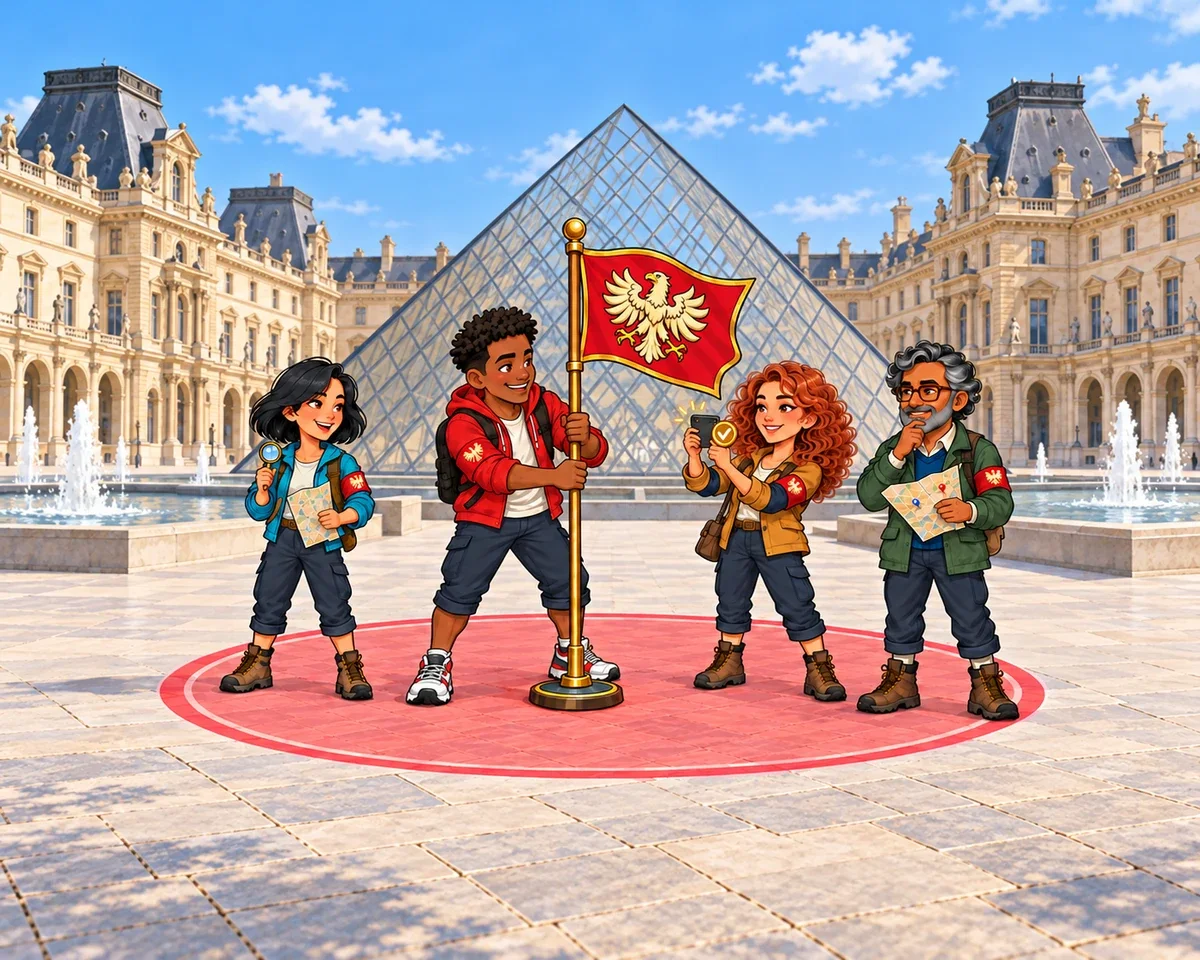
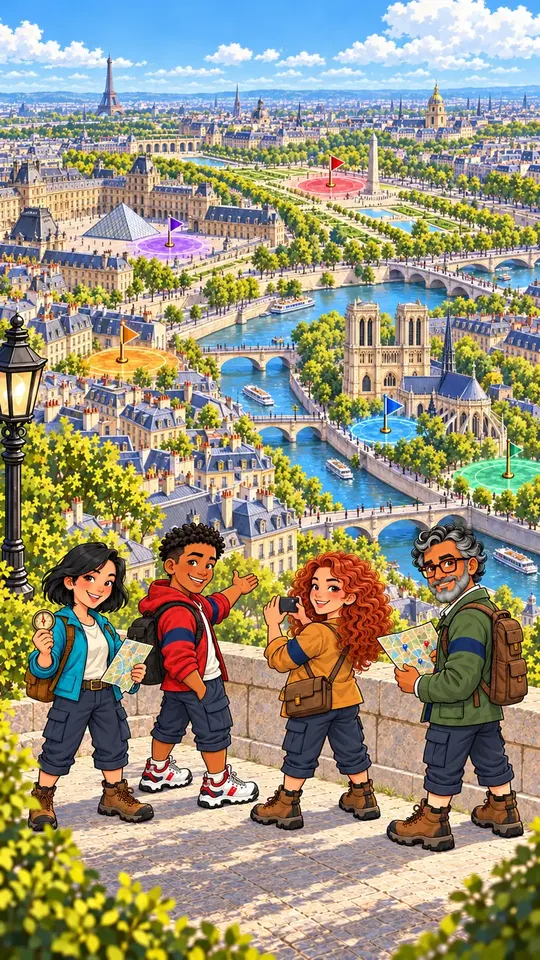
A city game where teams play against each other: at least 2 teams of 1–4 players, each team on its own phone.
Walk through the real city. The map shows every zone:  free,
 taken by a team in its colour, or
 locked for a few minutes. The game starts at
 .
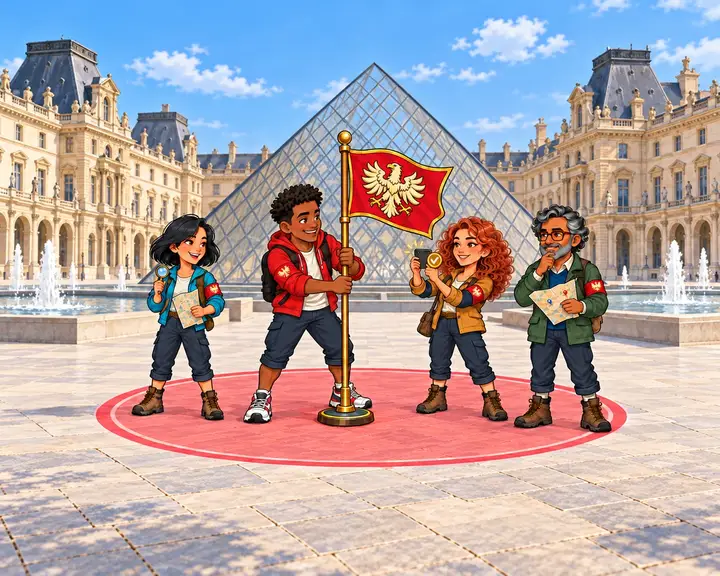
Step into a zone, open its task and send your proof: an answer, a photo or a video. Get it right and the zone takes your colour , and you earn 30 ducats  .
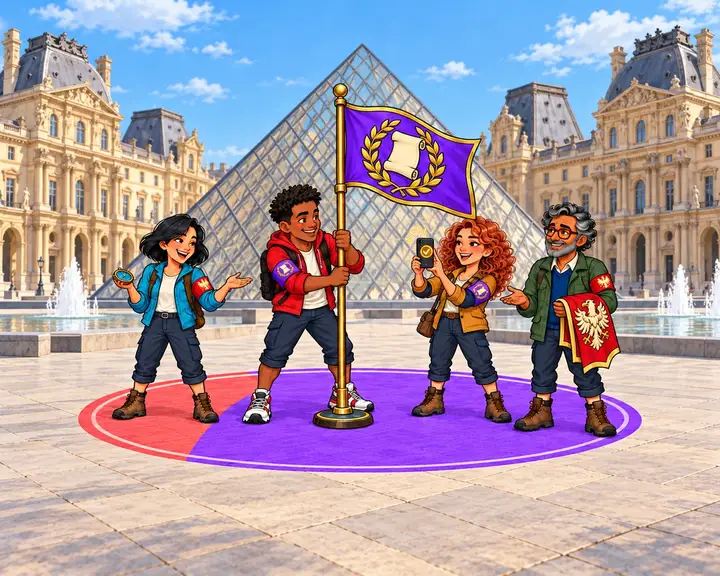
Other teams can take your zones once the lock is over, and you can take theirs. A zone  stays with the team that conquers it. The first team at a bonus spot
 gets a power-up in its backpack
 .
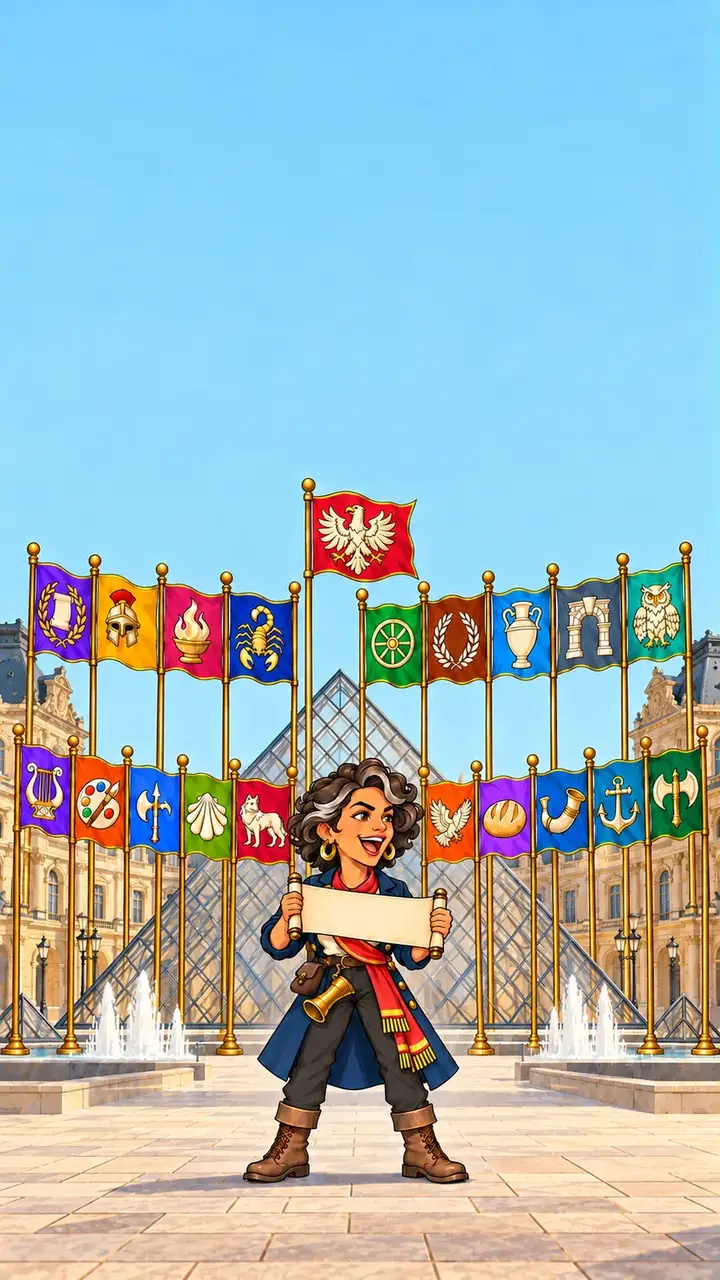
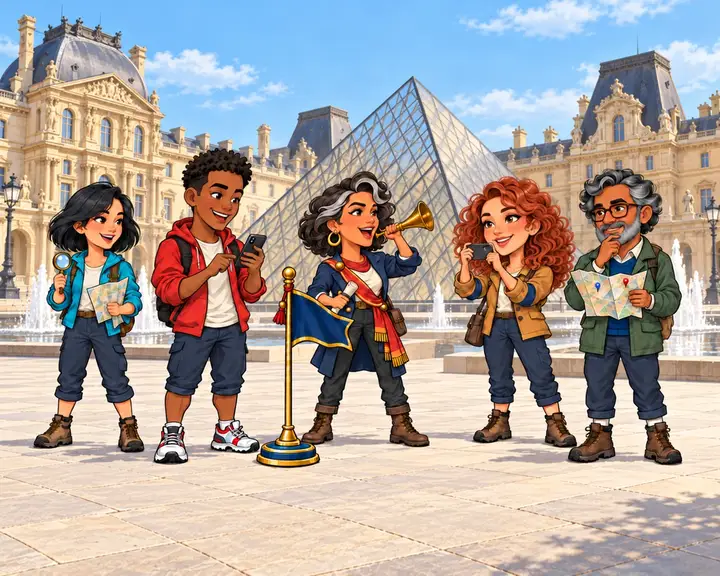
When the time is up, the team with the most points wins; with equal points, the most ducats . Be at the meeting point  in time: the herald calls everyone together.
Every zone has a set of tasks about what you can really find there. Each team gets a different one, and a new one every time it comes back, so answers can't be passed on.
Each team picks a faction: a group with its own story, strengths and characters.
“All for one, one for all”
The king's musketeers in their blue tabards guarded Louis XIII and XIV, and Alexandre Dumas made them legends.


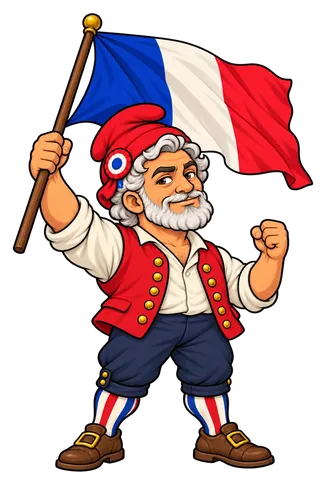

“Liberty, equality, the next zone”
In 1789 Parisians stormed the Bastille and changed the world; the tricolour cockade and the red cap became their signs.
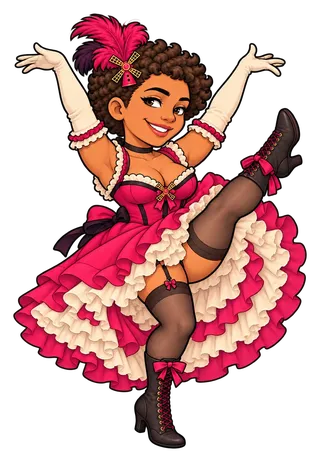

“High kicks, higher scores”
Since the 1890s the Moulin Rouge in Montmartre has danced the cancan: frilly skirts, high kicks and a lot of noise.


“Paint the light, not the thing”
Monet, Renoir and Morisot painted outside, in quick strokes of light. Their water lilies hang in the Orangerie.
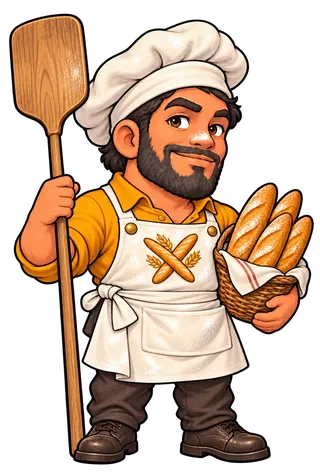

“Up before the sun”
Paris eats millions of baguettes a day. Its bakers start in the dark, and every year the best baguette of the city is chosen.
“Every bank has a story”
Along the Seine the bouquinistes sell old books from green boxes on the quay walls, a tradition from the 1500s.
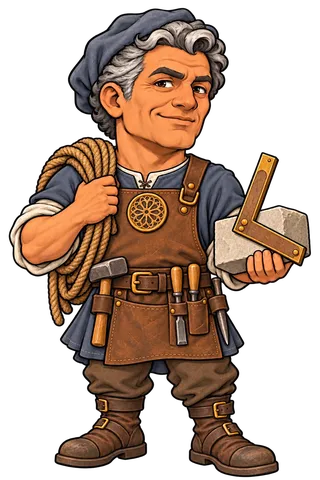

“Stone by stone to the sky”
Notre-Dame was built from 1163 over almost two hundred years; after the fire of 2019 craftspeople rebuilt it the old way.


“Ring out over the Seine”
Notre-Dame's great bell Emmanuel weighs thirteen tonnes; its ringers climbed hundreds of steps to swing it.
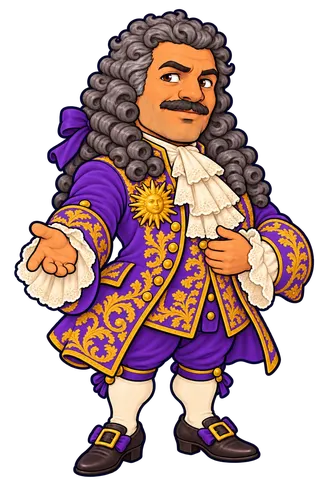

“Shine, always shine”
Louis XIV, the Sun King, ruled from the Louvre before Versailles. His court lived on wit, fashion and very big wigs.


“Dare to know, over coffee”
Voltaire, Diderot and Émilie du Châtelet argued in Paris cafés and salons; the Encyclopédie tried to collect all knowledge.
“Follow your nose”
Paris made perfume an art: the perfumer, the 'nose', blends hundreds of scents into one bottle.
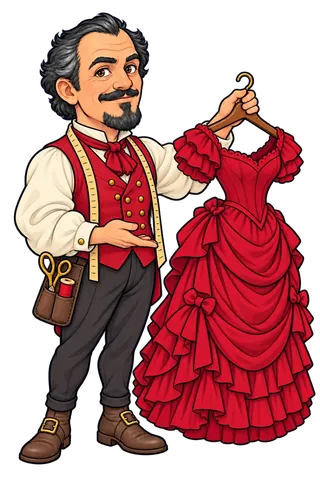

“Cut, stitch, strut”
Paris invented haute couture in the 1800s. In the ateliers seamstresses, cutters and models make fashion by hand.


“Yes, chef!”
Paris made the restaurant famous and the kitchen brigade: the chef, the sauce cook, the pastry chef, all at speed.
“There's a second Paris below”
Under Paris run hundreds of kilometres of old stone quarries; explorers map the tunnels with lamps and chalk.


“Tossed but never sunk”
The Parisii and their boatmen traded on the Seine before Rome came. Their ship is still on the city's arms with the motto 'Fluctuat nec mergitur'.
“A portrait in five minutes”
On the Place du Tertre in Montmartre artists draw portraits of passers-by, as Picasso's neighbours once did.
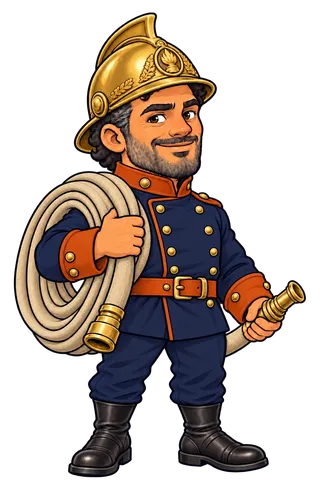

“Save or perish”
The Paris fire brigade has rushed to every fire since 1811, including the Notre-Dame fire in 2019.


“Two and a half million rivets”
The Eiffel Tower went up in two years for the 1889 World's Fair: 18,000 iron parts held by millions of rivets.


“Up, up and over”
In 1783 the first people flew in a hot-air balloon over Paris; in the siege of 1870 balloons carried the post out of the city.


“Tray up, never spill”
Parisian café waiters even have their own race: the 'course des cafés', running through the city with a full tray.
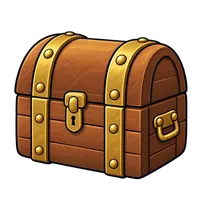
Every 20 minutes the herald hides chests  in the streets. The first team within 30 m opens one: ducats , a potion, a defence or something to leave for others.
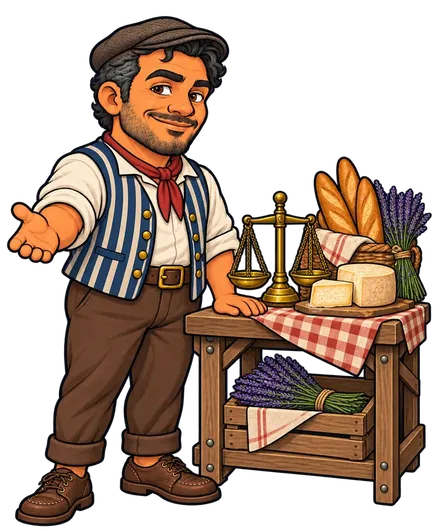
You start with 50 ducats and earn more by conquering, holding zones and approved photos. Spend them at the merchant  : you can buy anywhere, and at his spot you get 20% off.

Leave a bomb, trap, fog, curse or sabotage on the street  . Only your team sees it; the team that walks into it is hit. Fog
 hides their map beyond 100 m. A scout
 shows drops near you
 : walk to one to defuse it.
 Speed potionWait times and zone locks halved for 10 minutes.
 Wisdom potionRemoves one wrong answer from your next multiple-choice question.
 Strength potionYour next conquest scores double.
 ShieldBlocks the next attack on your team (20 seconds to react).
 MirrorSends the next attack straight back to the team that left it.
 AntidoteEnds fog, a trap or a curse at once.
 ScoutShows other teams' drops within 100 m for 2 minutes; walk to one to defuse it.BombLeave it on the street: the team that walks into it loses 25 points.
 TrapLeave it on the street: 3 minutes no conquering and no answering.
 FogLeave it on the street: for 4 minutes their map shows only 100 m around them.
 CurseLeave it on the street: on their next 2 questions a wrong answer costs double.
 SabotageLeave it on the street: steals one thing from their backpack (or 30 ducats).
You play on your own. The organiser opens the game master page, chooses the default language and the playing time, and starts the game. From then on everything runs by itself on every phone: the zones, the chests, the merchant and the final count.
 Often chosen by companies
Someone leads the game from the game master page: follows every team live with its points and zones, sends messages to all teams, adds 15 minutes or stops the game, gives a team a power-up or puts a chest right next to it, and looks at the photos and videos. The game master never sees the answers.
€199.00 including 5 teams, €19.95 per extra team
The organiser sets up the game on the game master page (the default language and the playing time) and starts it for all teams.
Every player can pick and switch the language on their own phone.
City Conquest is on its way to Paris. Want to play it with your group as one of the first? Ask us and we will let you know as soon as it is ready.


