Why Hasselt is easier than most Belgian cities
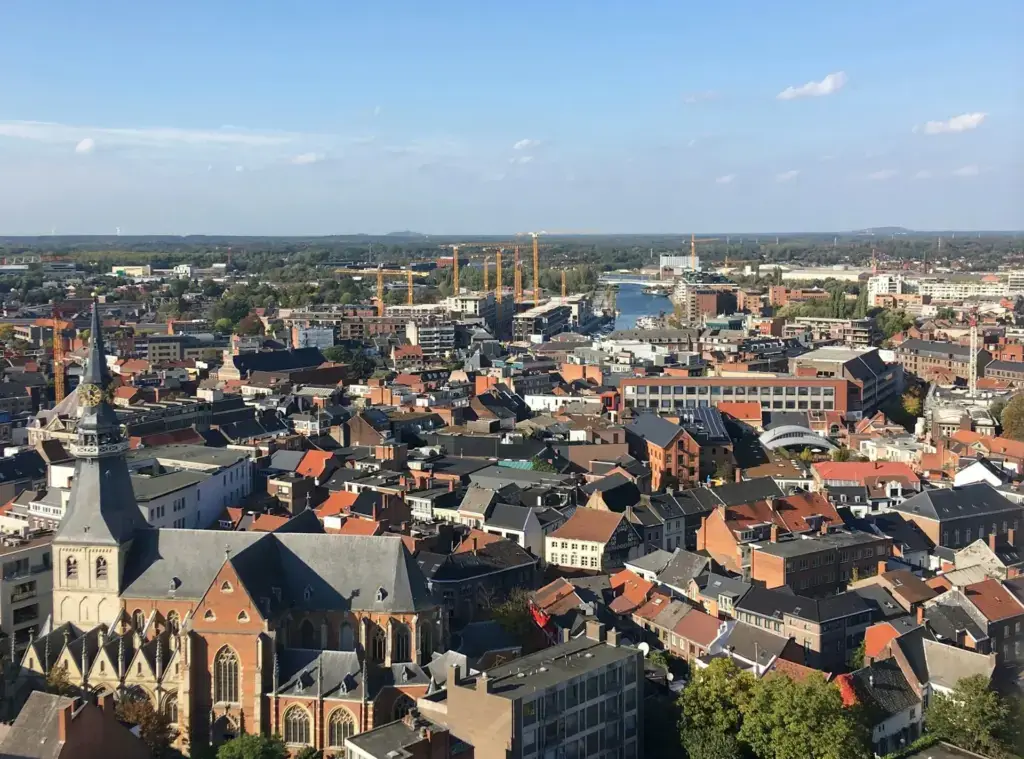
Hasselt is the capital of Limburg and it is small enough to walk end to end without planning. Its old ring of ramparts was replaced long ago by a green boulevard, so the centre sits inside a leafy circle rather than behind walls. There is no single monument everyone comes for, which is exactly what makes it relaxing: you wander, you eat well, you find things.
It also sits at the heart of the province that invented the numbered cycling node network now copied across Europe, which changes what a day here can look like.
The Japanese Garden
Hasselt has a Japanese garden built with its twin city Itami, and it is one of the largest of its kind in Europe. It is not a themed corner of a park. It follows the strolling-garden principles properly: a pond you circle, a ceremonial teahouse, waterfall, stone lanterns and carefully framed views that only work from certain spots.
Go slowly and stop where the path makes you stop, because those pauses are designed. It closes for part of the winter, so check opening times before you plan around it.
The National Jenever Museum
Jenever is the juniper spirit that gin descends from, and Hasselt has been distilling it for centuries. The museum is set in a former working distillery, so you walk through the actual process: grain, mash tuns, copper stills, barrels. In season they still distil on site.
A tasting is usually part of the visit. Ask for a young grain jenever and an old one side by side, because the difference between them is the whole point and most people have only ever tried one. In October the city holds its jenever festival, when the centre turns into an open-air tasting.
The Fashion Museum and Saint Quentin's Cathedral
The Modemuseum works with changing exhibitions rather than a fixed display, which means it is worth checking what is on rather than assuming. It handles clothing as design and social history, and it is a good indoor hour on a wet Limburg afternoon.
A short walk away, Saint Quentin's Cathedral is the oldest building in town, with a tower that has grown in stages over centuries. Step inside for five minutes even if churches are not your thing; the contrast with the shopping streets outside is the point.
Bokrijk and Herkenrode, just outside town
Two things nearby are worth building your day around. Bokrijk is a large open-air museum where historic buildings from across Flanders have been re-erected in a park, with people working them as they would have been used. It also holds the well-known cycling path that runs sunk between two ponds, so you pedal along at water level with the surface at eye height.
Herkenrode Abbey, on the edge of town, is a former Cistercian abbey with gardens and a quiet visitor site. It makes a calm counterweight to a museum-heavy morning.
Cycling the way Limburg intended
The numbered node network started here: instead of following a route name, you ride from junction number to junction number and build your own loop. Signposting is consistent and you can plan a twenty-kilometre afternoon or an all-day ride with the same system. Rental is easy in and around Hasselt. If you have a spare afternoon and reasonable weather, this is the most Limburg thing you can do.
Seeing Hasselt by playing it
Because Hasselt has no one obvious sight, it rewards people who look properly, and that is easier with a reason to. A city game takes you through the centre solving clues, so you end up in courtyards and side streets you would have walked past. It suits families, groups of friends and work teams equally well, and it turns a compact centre into a couple of proper hours.
Frequently asked questions
Is one day enough for Hasselt?
For the centre, the Japanese Garden and one museum, yes. Add a second day if you want Bokrijk or a cycling route, since either fills an afternoon on its own.
What is Hasselt best known for?
Jenever above all, plus the Japanese Garden, the fashion museum and its position as the base for cycling in Limburg.
Is Hasselt good with children?
Yes. Bokrijk is built for families, the Japanese Garden works for a calm hour and the centre is flat and easy to walk.
Do I need a car?
Not for the city itself, which is walkable from the station. For Bokrijk and Herkenrode a car or bike helps, though buses do run.
When should I visit?
Late spring through early autumn for the garden and cycling. October if you want the jenever festival.
Come and play in Hasselt
If you want to actually see the city rather than pass through it, try a playing route. Here is how it works, and for team days and larger groups we have set formats on this page. Questions about dates, group sizes or routes? Get in touch. Heading further into Belgium afterwards? Mechelen is a good next stop.