Flamenco in Granada is not the same as flamenco in Seville or Jerez, and that is the useful thing to know before you book anything. Granada has its own form, the zambra, and its own setting for it: the caves cut into the hillside of the Sacromonte, where the city's Roma families have lived and performed for generations. A good night here feels closer than anywhere else in Andalusia, sometimes uncomfortably so, because the room is small and the performers are two metres away.
This guide covers what the zambra is, where to see it, what a fair price looks like and how to tell a real venue from a coach-tour show.
What makes Granada flamenco different
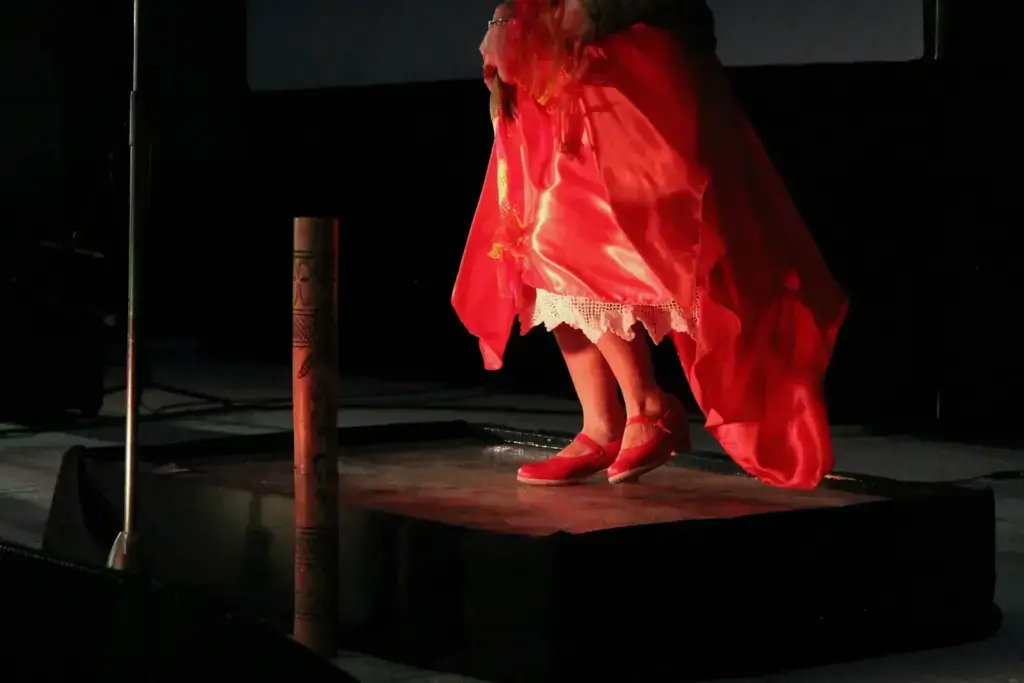
The zambra gitana developed in the Sacromonte and is tied to the structure of a traditional Roma wedding celebration. It is danced closer to the ground and closer to the audience than the tablao style you see elsewhere, with the performers often seated in a line along the cave wall and rising one at a time. The caves themselves shape it: low ceilings, whitewashed walls, hard floors and no amplification needed.
One thing worth knowing is that the alboreá, the wedding song, is traditionally private. Some venues perform versions of it and some families still consider it not for outsiders. You will hear different opinions about this in Granada, which tells you it is a living argument rather than a museum piece.
The three places flamenco happens
Sacromonte: the caves
The hillside above the Albaicín, reached by a steep walk or the small C31 and C32 buses from Plaza Nueva. This is where the zambra belongs. Venues here are genuinely inside cave houses, which means low ceilings, warm air and very little space. Some are family-run and have been for decades.
Albaicín: the old Moorish quarter
Below Sacromonte, in the narrow streets of the old quarter. Venues here tend to be in courtyard houses (cármenes) rather than caves, with more comfortable seating and a slightly more theatrical presentation. Often the better option if you have mobility concerns or you are with people who will not enjoy a cave in August.
The city centre
A handful of venues sit in the flat centre near the cathedral. These are the most convenient and generally the least atmospheric, though a couple of them are taken seriously by locals and put the music first.
Venues worth looking at
Programmes and opening times change, so check before you go. Booking a day or two ahead is normal in high season.
Cueva de la Rocío
One of the long-standing Sacromonte cave venues, run by the same family for generations. Small, hot, and the closest most visitors will get to the traditional zambra setting.
Venta El Gallo
Also in the Sacromonte, larger than most caves and with a terrace looking across to the Alhambra. Good if you want the view as well as the show, less intimate as a trade-off.
Jardines de Zoraya
In the Albaicín, with a garden courtyard and several shows a night. More comfortable and more polished than the caves, and a reasonable choice for a first flamenco evening.
Casa del Arte Flamenco
A small central venue that keeps the format simple: singer, guitarist, dancer, no dinner, no extras. If you want to hear the music rather than eat during it, this style of venue is the one to look for.
La Alboreá
A compact central room with short, focused shows. Convenient if you are staying near the cathedral and do not want a late walk back down from Sacromonte.
Peña La Platería
A flamenco club rather than a commercial venue, in the Albaicín. Peñas are membership associations where aficionados go to hear serious performers, and some open certain nights to visitors. Programming is irregular and worth checking, but it is the least touristic flamenco in the city.
What you should pay, and what to skip
Ticket-only shows are the standard and are the better value. Dinner-and-show packages cost considerably more and the food is almost never the reason you came. If you want to eat well, eat before or after in the Albaicín and buy a show ticket alone.
Treat these as warning signs: touts selling tickets on the street near Plaza Nueva, venues that fill from tour coaches, shows advertised as lasting 45 minutes with a photo stop, and anywhere that puts a flamenco dress on a mannequin outside the door. A serious venue does not need to sell you on the pavement.
Shows usually start between 8pm and 10.30pm and run around an hour. The later show is often the better one, because the performers have warmed up and the room is smaller.
Getting to Sacromonte and back
Walk up through the Albaicín in daylight if you can, because the route past the Mirador de San Nicolás is one of the best walks in Spain and the Alhambra view at sunset is the reason half the city is standing there. Coming back down after a late show, the small buses run until around 11pm and taxis wait near the Camino del Sacromonte. The lanes are steep and cobbled, so wear something you can walk down in.
Making a day of the Albaicín
The Albaicín rewards getting lost in it, but it also confuses people quickly, because the streets were laid out long before anyone thought about grids. A city game gives you a route through the quarter with something to work out at each stop, which turns the confusion into the point rather than the problem. Play it in the afternoon, end near a viewpoint, and go straight on to a flamenco show in the evening.
Frequently asked questions
Is the Sacromonte safe at night?
Yes, along the main Camino del Sacromonte and around the venues, which are busy on show nights. The side paths are unlit and steep, so stick to the road and walk back with other people rather than exploring.
Should I book in advance?
In summer and over Easter, yes, at least a day ahead. Off season you can often walk in, though the cave venues are small enough to sell out on any weekend.
Can I take photos?
Usually at the start or the end, and usually not during the performance. The rules are announced at the beginning and are worth respecting; in a room that small, a phone screen is very visible from the stage.
Is it suitable for children?
Older children generally enjoy it, especially in the caves where the percussion carries. It is loud and it runs late, so an earlier show is the sensible choice with younger ones.
How long does a show last?
Around an hour is standard. Anything advertised as much shorter is usually built around a tour schedule rather than the music.
Can we go as a group?
Yes, and most venues take group bookings, though the cave rooms are small so large groups may be split. If you are organising a wider programme for a group in Granada, see what we run for companies and groups.
Plan the rest of the day
Flamenco works best as the end of a day rather than the whole of it: the Alhambra in the morning, the Albaicín in the afternoon, a cave in the evening. If you want the afternoon to have a shape, here is how our games work, and you can contact us with any questions about running one. Continuing through Andalusia afterwards? Our guide to the best squares in Seville picks up where this one leaves off.