London is expensive to sleep in and eat in, and then it hands you some of the best museums in the world for nothing. That gap is the key to planning a good trip here: put your money where it buys something the free options do not.
Here is what is free, what is worth paying for, what is not, and how to move around the city sensibly.
The free museums
Britain's national museums do not charge for permanent collections. That includes the British Museum, the National Gallery, Tate Modern and Tate Britain, the Victoria and Albert, the Natural History Museum, the Science Museum, the National Portrait Gallery and the Imperial War Museum. Temporary exhibitions are ticketed; everything else is free, and a suggested donation is exactly that.
The practical advice is to go often and briefly rather than once and exhaustively. An hour in the National Gallery on the way to somewhere else is a better experience than four hours of gallery fatigue.
The British Museum deserves an honest note: much of its collection was acquired in circumstances that are actively disputed, and several countries have long-standing requests for objects to be returned. The museum now addresses some of this in its labelling. It is worth going, and it is worth knowing.
What is worth paying for
The Tower of London
Nine hundred years old, and the one major London attraction that consistently justifies its ticket price. The Crown Jewels, the White Tower and the Yeoman Warder tours, included, funny, and better than any audio guide, take a good half day. Book online and arrive at opening.
Westminster Abbey
Coronations, royal tombs, Poets' Corner and about a thousand years of national memory in one building. Ticketed, busy, and best early. Free to enter for services if you go to worship, which is a genuine option and not a loophole.
Theatre
The one thing London does better than almost anywhere. The West End is obvious, but the National Theatre, the Almeida, the Donmar and the Globe in summer are where the interesting work is. Day seats and standing tickets at several theatres cost very little; the Globe's standing yard is one of the best cheap nights in the city.
What tends to disappoint
A few honest opinions. The big Oxford Street and Leicester Square brand stores, the sweet shops, the flagship gift shops, are queues for merchandise you can buy anywhere. Madame Tussauds is expensive for what it is. And the top-of-a-tall-building viewing platforms are worth comparing: the Sky Garden is free but must be booked ahead, and the view from the Tate Modern's terrace costs nothing at all.
One correction that comes up constantly: Big Ben is the bell, not the tower. The tower is the Elizabeth Tower. Nobody will mind if you say it wrong, but now you know.
Where to walk
The South Bank
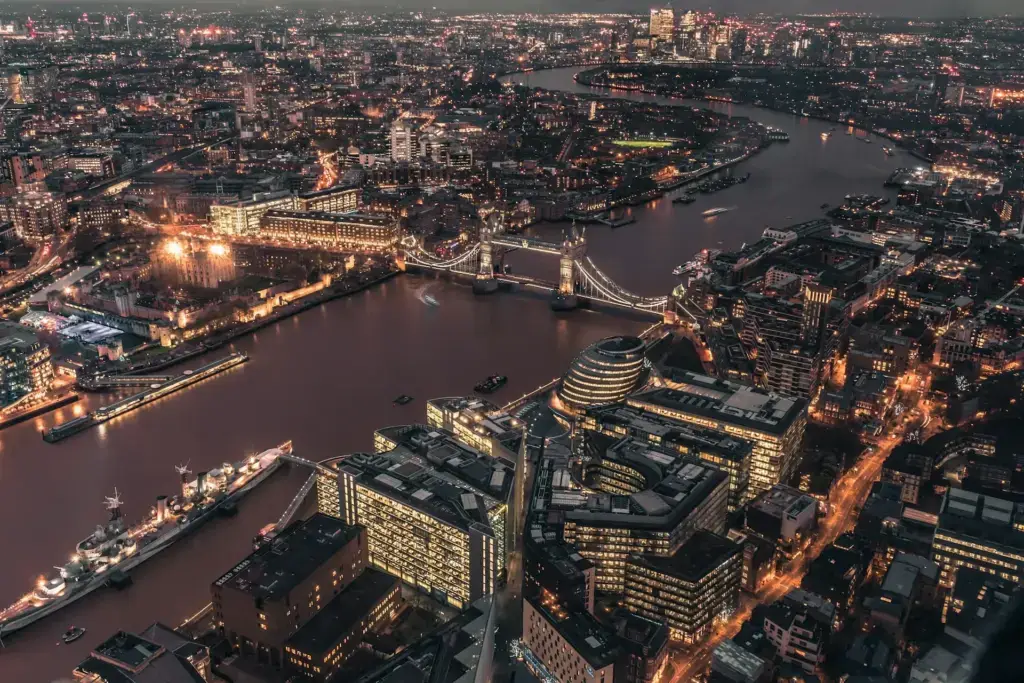
From Westminster Bridge east to Tower Bridge, along the river: the London Eye, the National Theatre, Tate Modern, the Globe and Borough Market, all on one continuous walk with the city on the other bank. It is the single best introduction to London on foot.
Greenwich
Reachable by riverboat, which is the point. The Old Royal Naval College, the Cutty Sark, the National Maritime Museum and the observatory on the hill where the prime meridian was drawn. The view back at the city from the observatory is the best in London.
Hampstead Heath
Eight hundred acres of half-wild parkland in north London, with swimming ponds open all year and a view of the skyline from Parliament Hill. This is where Londoners go, which is why it is worth going.
Camden and Shoreditch
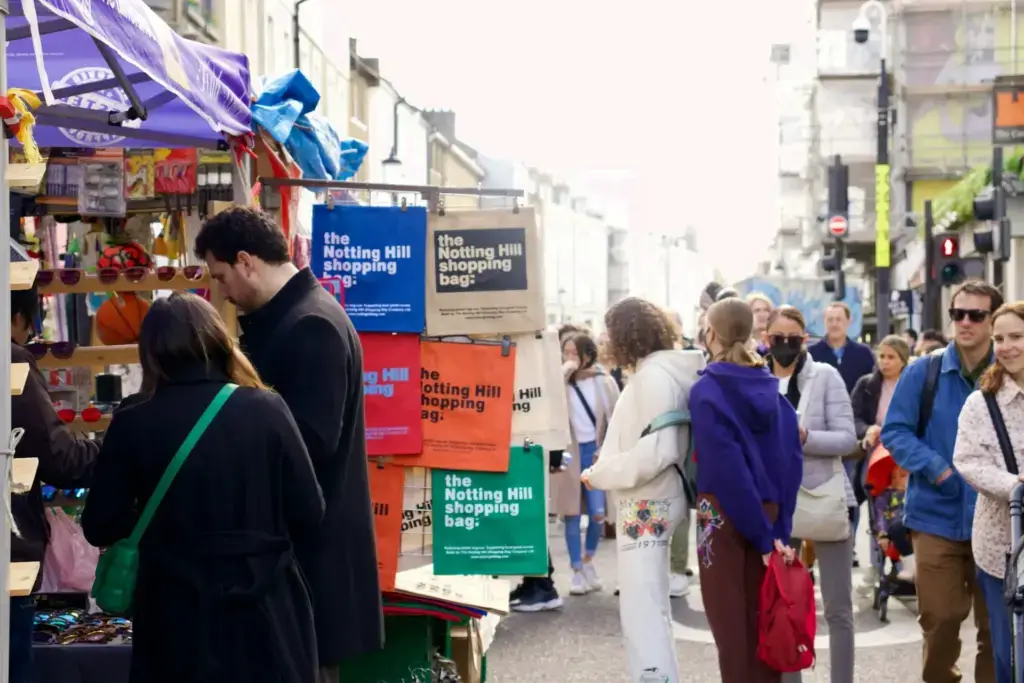
Camden Market is chaotic and has become largely a tourist operation, though the canal walk from there to Little Venice is lovely. Shoreditch and Brick Lane are better for street art, independent shops and the Sunday markets.
Eating and drinking
London's food is at its best in its markets and its immigrant neighbourhoods. Borough Market for produce and lunch, Brick Lane for curry and bagels, Chinatown, Southall or Tooting for the real thing. A proper pub Sunday roast is a genuine local institution and worth booking.
Tap water is free and safe, and any pub or restaurant will give it to you if you ask.
Getting around
Use a contactless bank card or phone directly on the readers, no need to buy an Oyster card. Fares are capped daily and weekly, so you cannot overpay by tapping too often. Buses are cheaper than the Tube and you see the city from them.
Stand on the right on escalators. Walk on the left is not a rule, but standing on the left will get you sighed at. And check for weekend engineering works before planning a journey; lines close for maintenance most weekends.
Walking the city
London is a set of villages that grew into each other, and the interesting parts are the seams between them. A city game gives you a route through one of those areas with something to solve at each stop, which is a better way to see a district than a list of stops on a map.
Frequently asked questions
How many days do I need?
Four to five for a first visit, and you will still leave things out. Three works if you pick one area per day and stop trying to cross the city.
Are the museums really free?
Yes, for permanent collections at the national museums. Special exhibitions are ticketed. Donations are optional.
Do I need to book anything?
The Tower, Westminster Abbey, St Paul's, the Sky Garden and any theatre. The free museums generally do not require booking, though some ask you to reserve a time slot at busy periods.
When is the best time to visit?
May, June and September. Summer is busiest, winter is dark but the city does Christmas well. It rains less than the reputation suggests but more often in short bursts.
Is London walkable?
In parts. Central London is much smaller than people expect, Covent Garden to Westminster is twenty minutes, but the city as a whole is enormous. Walk within areas and take transport between them.
Does London work for a group?
Yes, with planning: transport is easy but restaurants need booking and popular attractions need timed tickets as a block. For organised group activities, see what we run for companies and groups.
Plan the day
A shape that works: a museum at opening while it is quiet, the South Bank walk mid-morning, Borough Market for lunch, the Tower or Greenwich in the afternoon, and theatre in the evening. If you want the walking to have a route, here is how our games work, and you can get in touch about organising one. Already playing here? Our post on quests in London covers what a game day looks like.