Brussels beer is its own thing
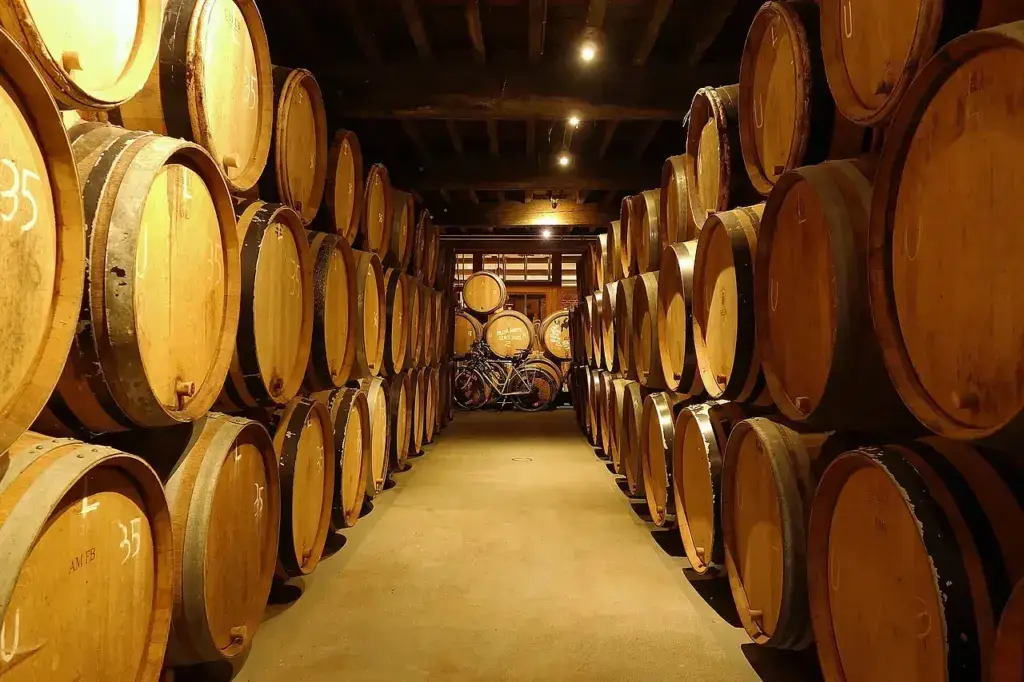
Belgium has abbey beers, blondes and tripels everywhere. Brussels has something no other city has: lambic. Instead of adding yeast, brewers here leave the hot wort open overnight in a shallow copper vessel under the roof and let the wild yeasts and bacteria of the Zenne valley air do the fermenting. The result goes into old wooden barrels for months or years.
From that base come the styles you will see on menus. Gueuze is a blend of young and old lambic, refermented in the bottle, dry and sour and sparkling. Kriek is lambic with cherries. Faro is lambic sweetened with sugar, the everyday version of the past. If you order a gueuze expecting a sweet fruit beer, you will get a shock. It is closer to dry cider or a sharp white wine, and it is the most Brussels thing you can drink.
Cantillon: the one working lambic brewery in the city
Cantillon in Anderlecht is the reason beer people come to Brussels. It is a family brewery from 1900 that never modernised, and it doubles as the Brussels Gueuze Museum. You walk through it yourself: the mash tun, the coolship under the roof, the barrel rooms with the smell of damp wood and vinegar. Almost nothing about the process has changed in a century, and nothing is dressed up for visitors.
Two practical notes. Brewing happens in the cold months, roughly autumn to early spring, so if you want to see the coolship in use go then. And check opening days before travelling across town, since it is not open every day.
The new Brussels breweries
Brussels lost most of its breweries in the twentieth century and has been getting them back for the past fifteen years.
Brasserie de la Senne makes bitter, unfiltered, hop-forward beers that pushed back against the sweeter Belgian mainstream. If you see Taras Boulba or Zinnebir on tap, order it.
Brussels Beer Project runs on constant experiment, with a rotating line-up and a taproom where the beers change often.
En Stoemelings is small, local and named after a Brussels dialect phrase meaning "on the sly". Their taproom is the friendliest way into the modern scene.
Opening hours for taprooms shift, so look them up on the day rather than turning up hopefully.
The cafés that take beer seriously
Moeder Lambic is where to go if you want guidance. The staff know their list, they will steer you between a soft blond and a face-puckering gueuze, and the draught selection changes constantly. There are two locations, one near the centre and one in Saint-Gilles.
À la Mort Subite is the historic room: long tables, mirrors, waiters who have done this a long time, and a house lambic range that carries the café's name. Go for the atmosphere as much as the beer.
Delirium, in an alley off the Grand-Place, is famous for an enormous list and is genuinely fun, though it is a party venue more than a tasting room. Treat it as an evening out rather than a beer education.
One correction worth making: Toone is not a brewery. It is a marionette theatre in an alleyway near the Grand-Place with a wonderfully creaky bar attached, and it is well worth an hour. Just do not go expecting to see beer being made.
How to taste without wrecking your afternoon
Belgian beers run strong, and a lot of them are eight or nine percent. Order small measures, drink water in between and eat something. Ask the bar what is fresh rather than ordering the name you already know. And if you dislike your first gueuze, try one more from a different producer before writing off the style; the range between them is enormous.
Seeing Brussels between the beers
The good stuff is spread across Anderlecht, the centre and Saint-Gilles, which means walking, which is the best way to see Brussels anyway. A city game gives that walk a shape: you solve clues through the streets, notice the art nouveau doorways and comic murals people usually miss, and end up somewhere new. It works well as the daytime half of a trip whose evening is already planned.
Frequently asked questions
What beer is Brussels famous for?
Lambic and the beers made from it: gueuze, kriek and faro. They are spontaneously fermented with wild yeast, which makes them sour rather than sweet.
Can you tour Cantillon?
Yes, it works as a self-guided visit and includes a tasting. Check the opening days first, and visit in the colder months if you want to see brewing.
Where should a beginner start?
Moeder Lambic, because the staff will match a beer to what you actually like instead of handing you the strongest thing on the list.
Is Delirium worth visiting?
For a lively night out, yes. For quiet tasting and advice, one of the other cafés will serve you better.
Do I need to book?
Cafés no. Brewery taprooms and group visits often yes, so check ahead if there are more than a few of you.
Come and play in Brussels
If you want to see the city between stops rather than only its bars, walk it with a playing route. Here is how it works, and for team outings and larger groups we have formats on this page. Questions about dates, group sizes or routes? Get in touch. Half an hour away and also a beer town: Mechelen.