20 October 2022
Barcelona's Busiest Places: When to Go and What to Do Instead
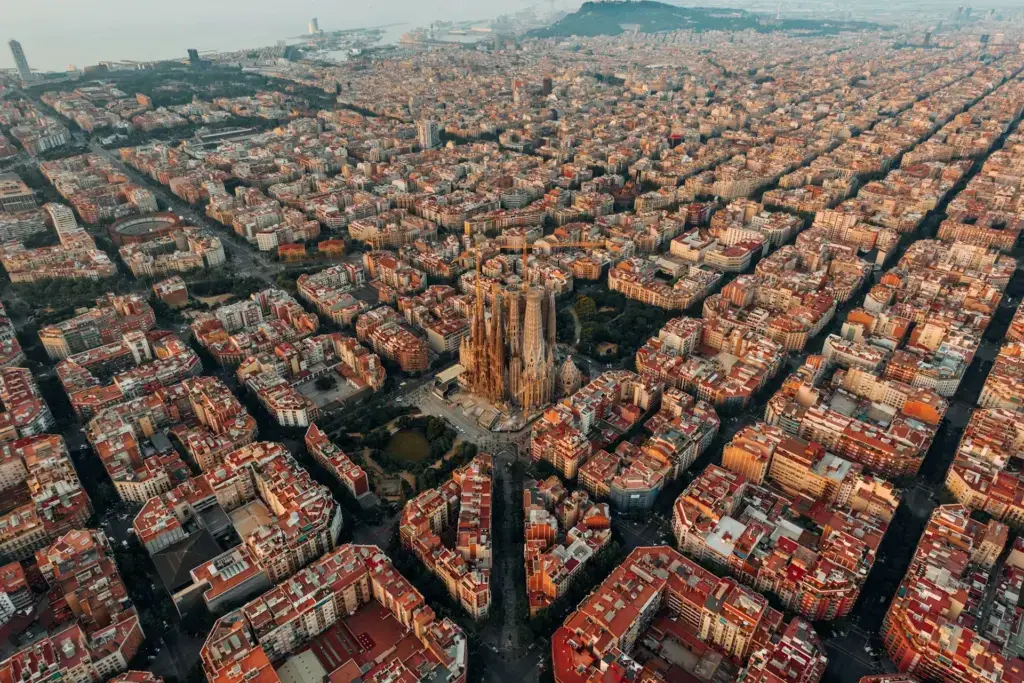
Sagrada Família, Park Güell, Barceloneta, the Palau and La Rambla. How to visit Barcelona's most crowded sights well, and the quieter alternatives nearby.
Sagrada Família, Park Güell, Barceloneta, the Palau and La Rambla. How to visit Barcelona's most crowded sights well, and the quieter alternatives nearby.
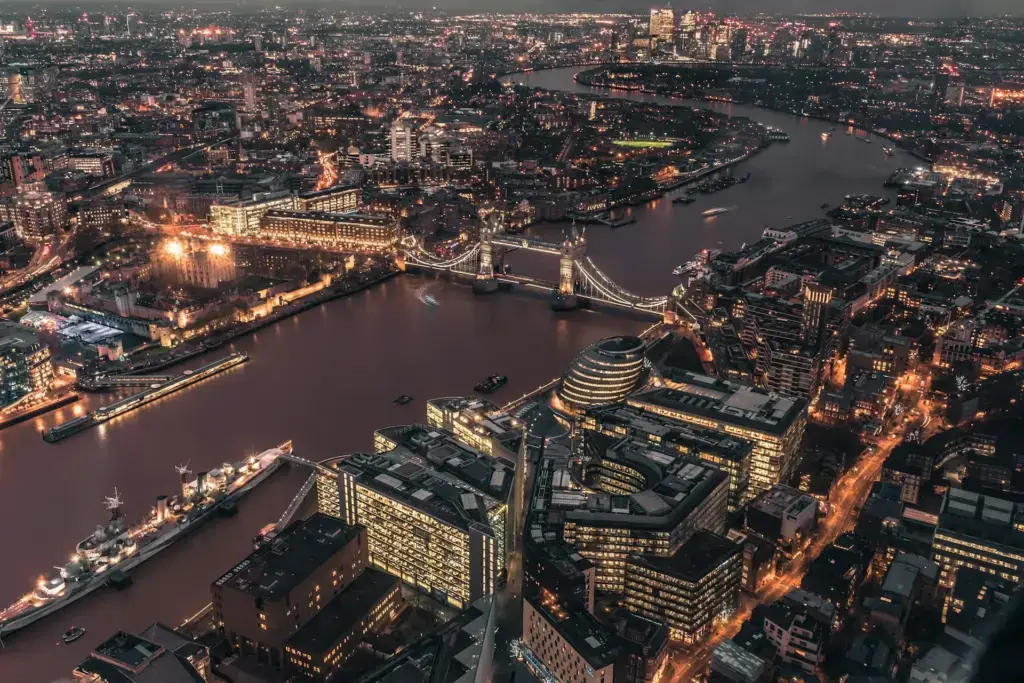
London's best museums are free and its most famous attractions are not always worth it. What to see, what to book, and how to get around without wasting money.
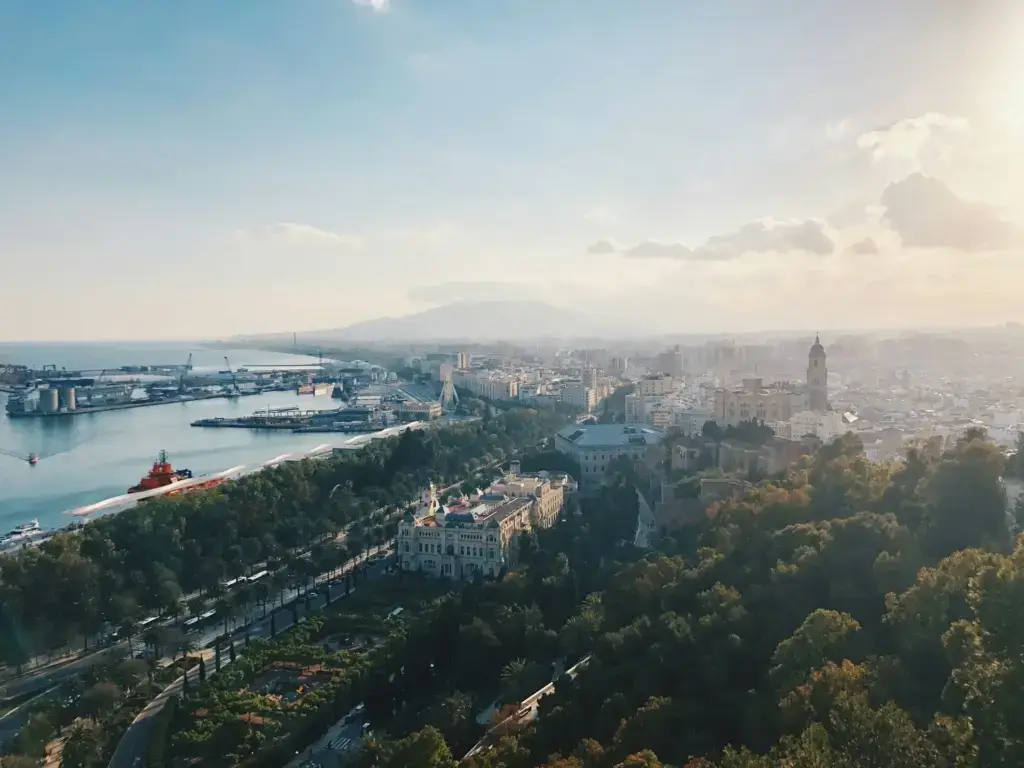
The five best viewpoints in Málaga, from the Gibralfaro castle to the cathedral roof, with honest advice on tickets, timing and which climbs are worth it.
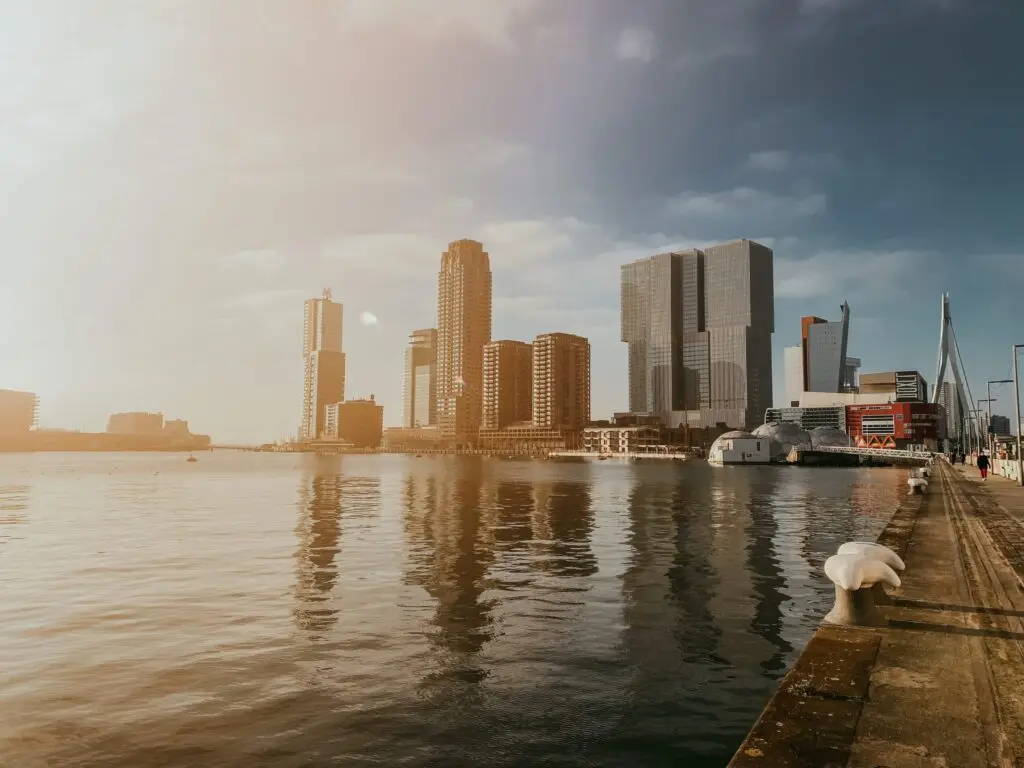
Play a City Game in Rotterdam: a self-guided route through a city rebuilt from scratch, past the Erasmusbrug, the Markthal and the towers on the Wilhelminapier.
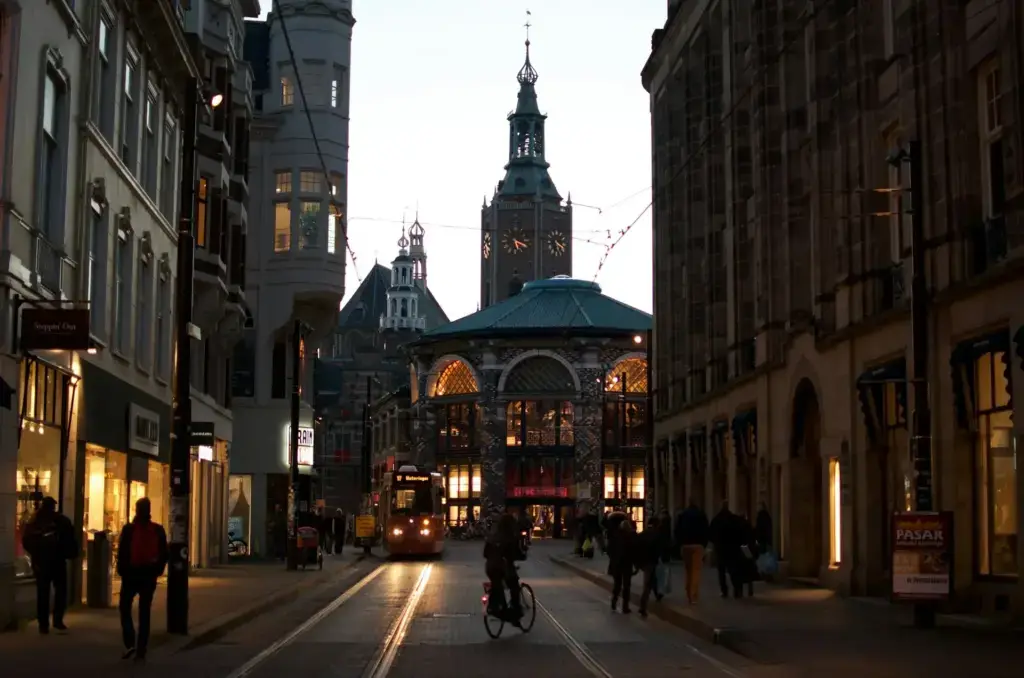
The Hague hides eight centuries of government behind ordinary streets. What a city game route passes, why it rewards attention, and how to plan the day.
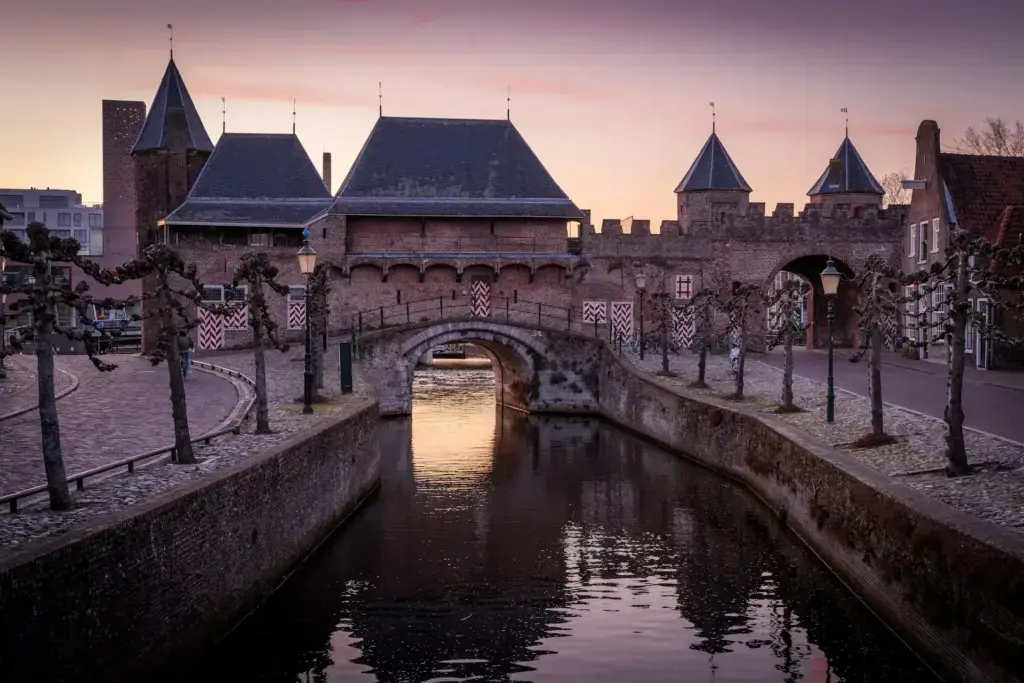
What to do in Amersfoort: the Koppelpoort water gate, the Lange Jan tower, the ring of wall houses, the Mondriaan House and how to see it all on foot.
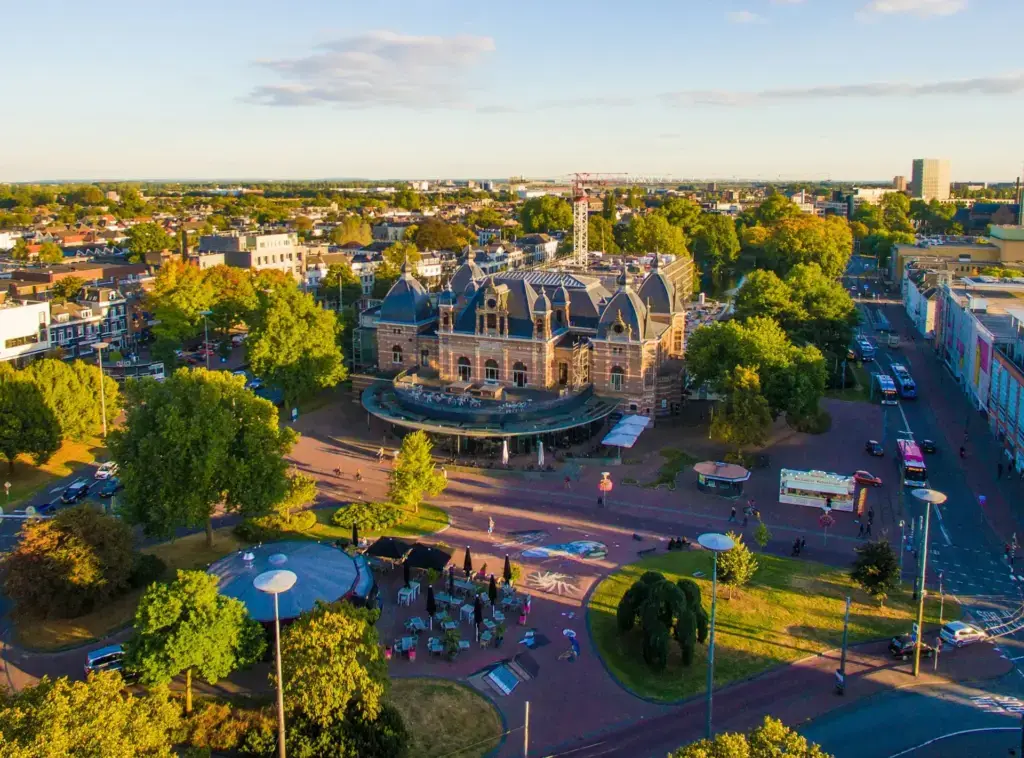
Arnhem is best known for a battle it lost, and there is far more to it than that. What to see in the city and just outside it, and how to plan the day.
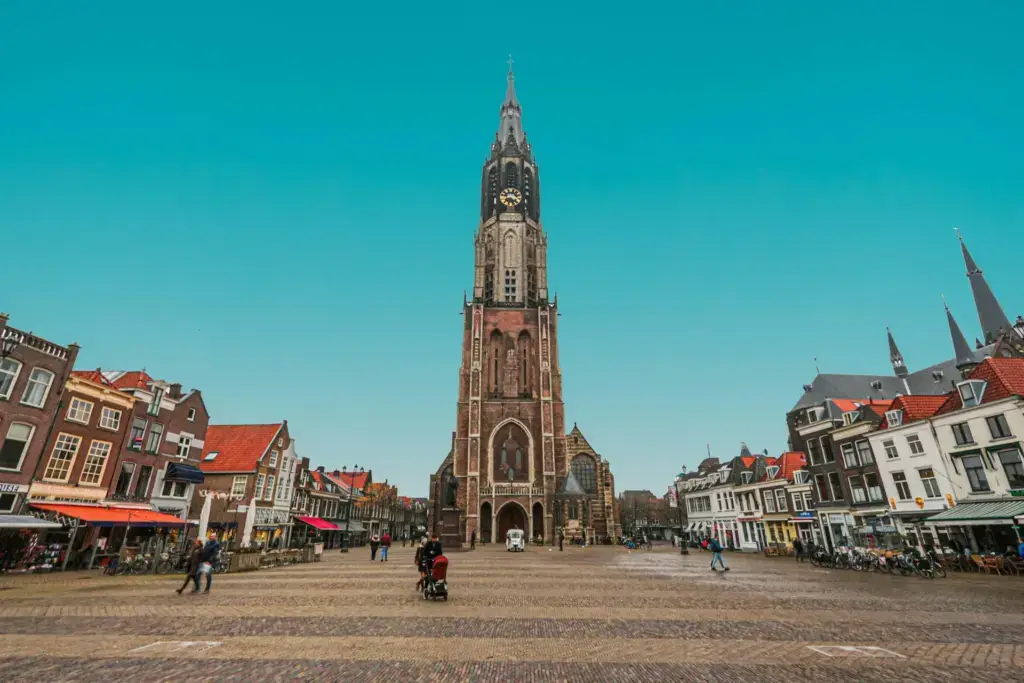
Delft fits in an afternoon and holds more history than cities ten times its size. What to see, in the order you would walk it, and what to skip.
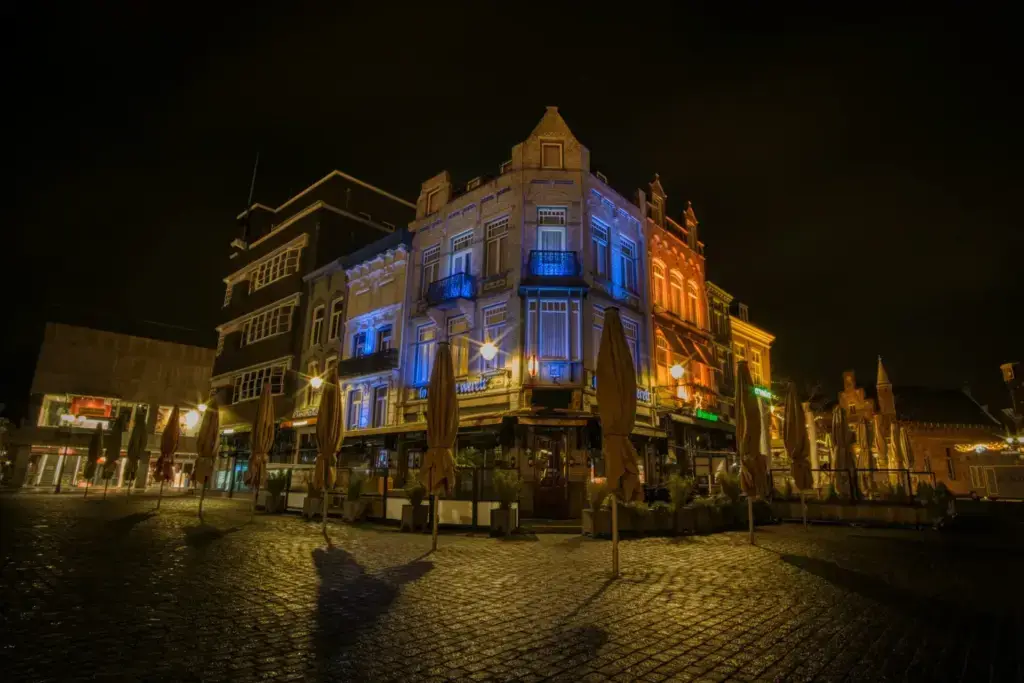
Den Bosch has a Gothic cathedral, a river running beneath the city and a painter who invented hell. What to see, and the boat trip you should book first.
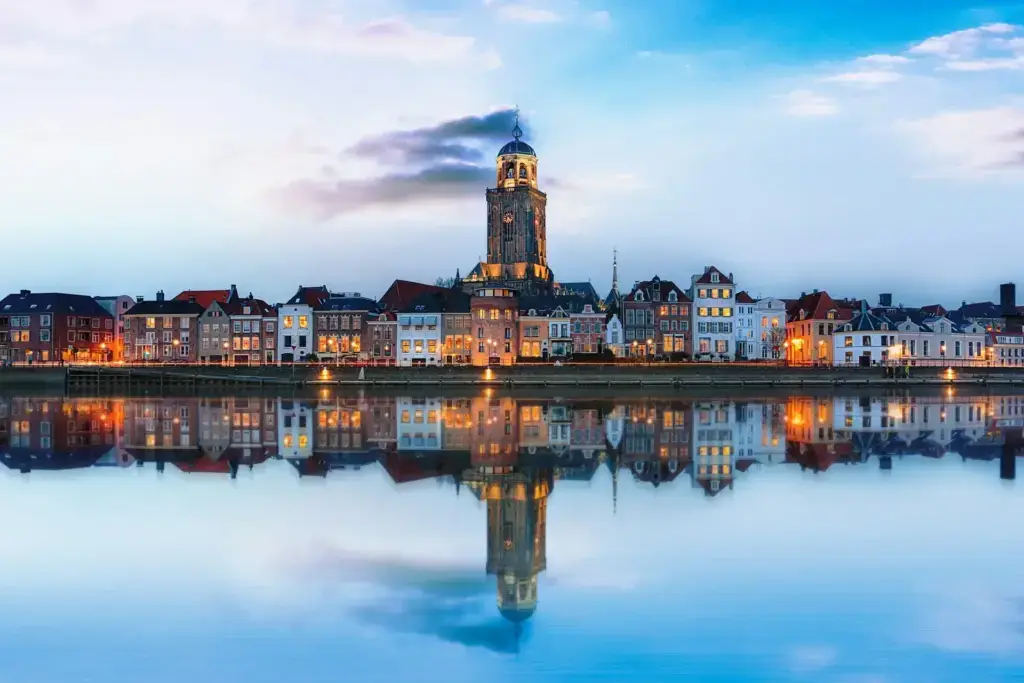
What to do in Deventer: the Lebuinus tower, the Brink and its weigh house, the Bergkwartier, spiced koek and the best way to see the old town on foot.
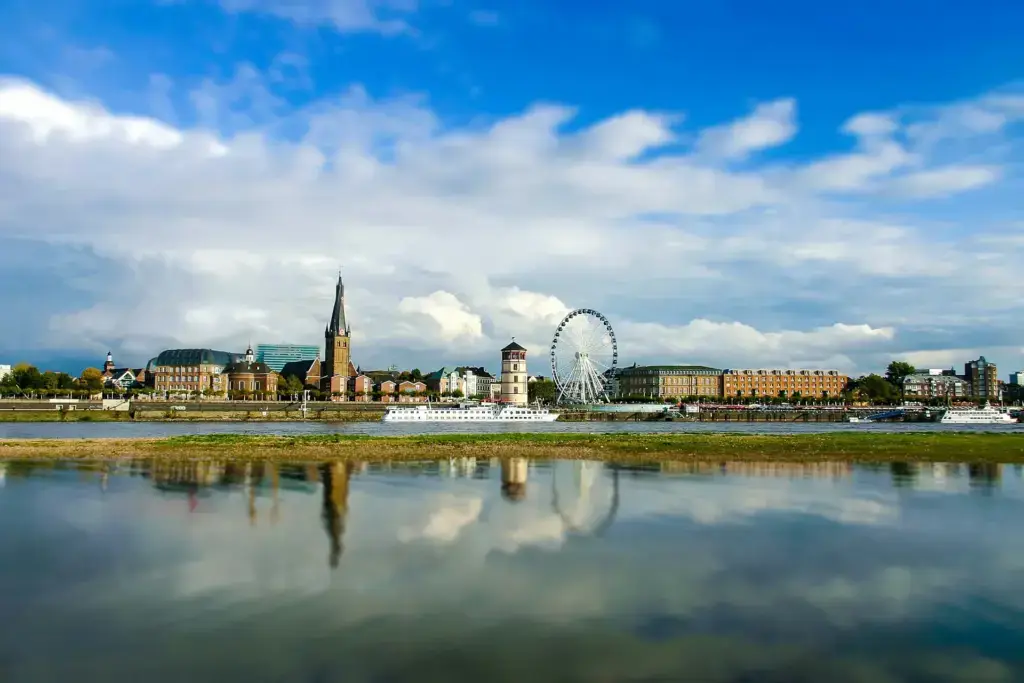
The old town's beer culture, the Gehry buildings in the MedienHafen, Benrath Palace and Little Tokyo. A practical guide to a day or two in Düsseldorf.
Eindhoven has no picturesque old town and does not need one. What to see, why the former Philips sites are the point, and how to plan a day here.
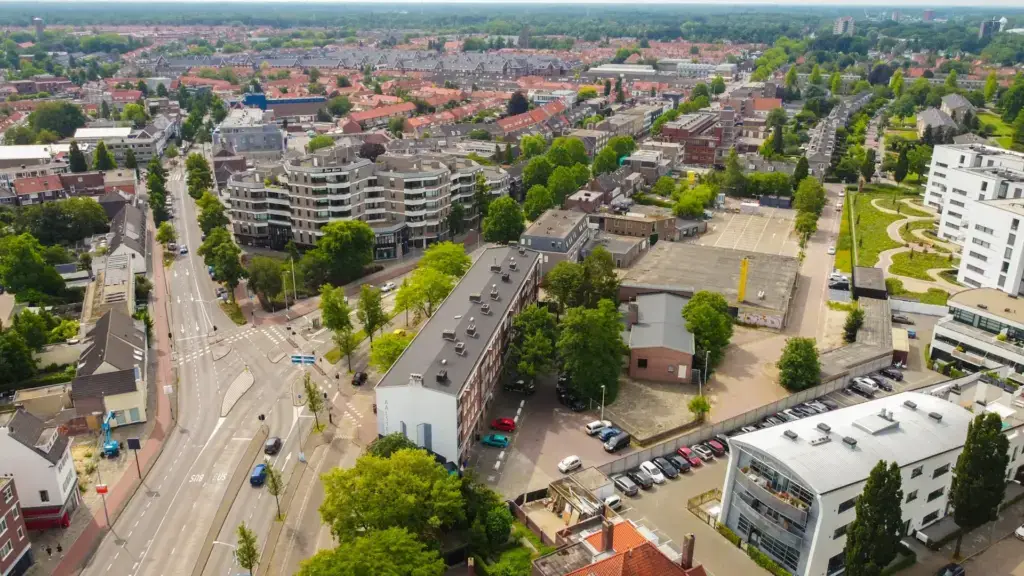
What to do in Enschede: the Oude Markt and its two churches, Rijksmuseum Twenthe, the rebuilt Roombeek district, the textile past and Twente's countryside.
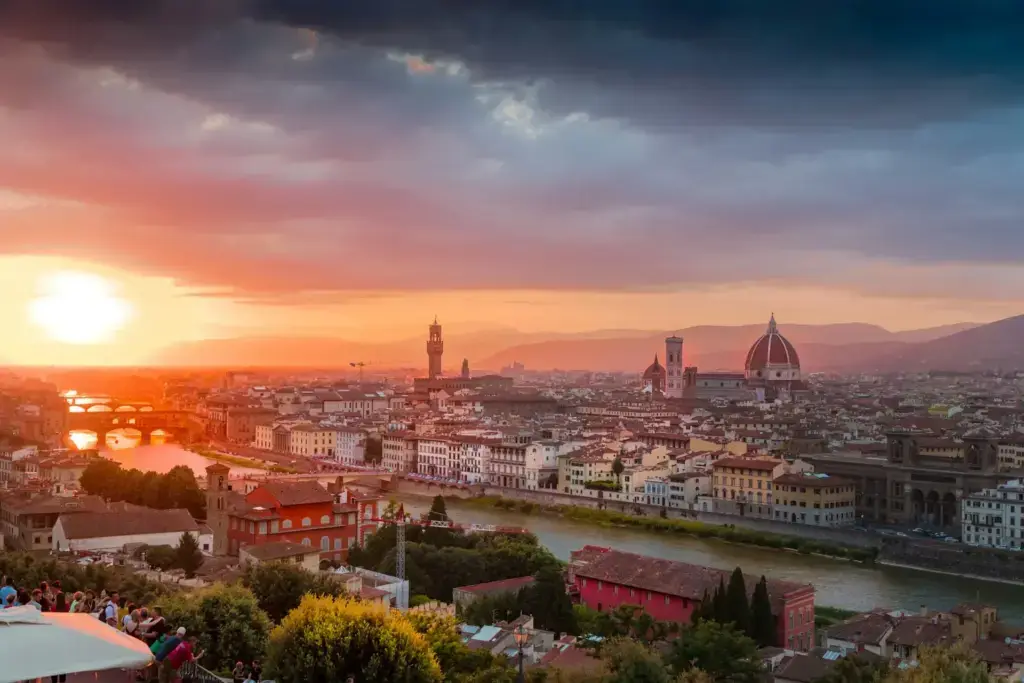
Florence is small, crowded and astonishing. Here is what to book, what to skip, where the copies are, and how to see the city without queuing all day.
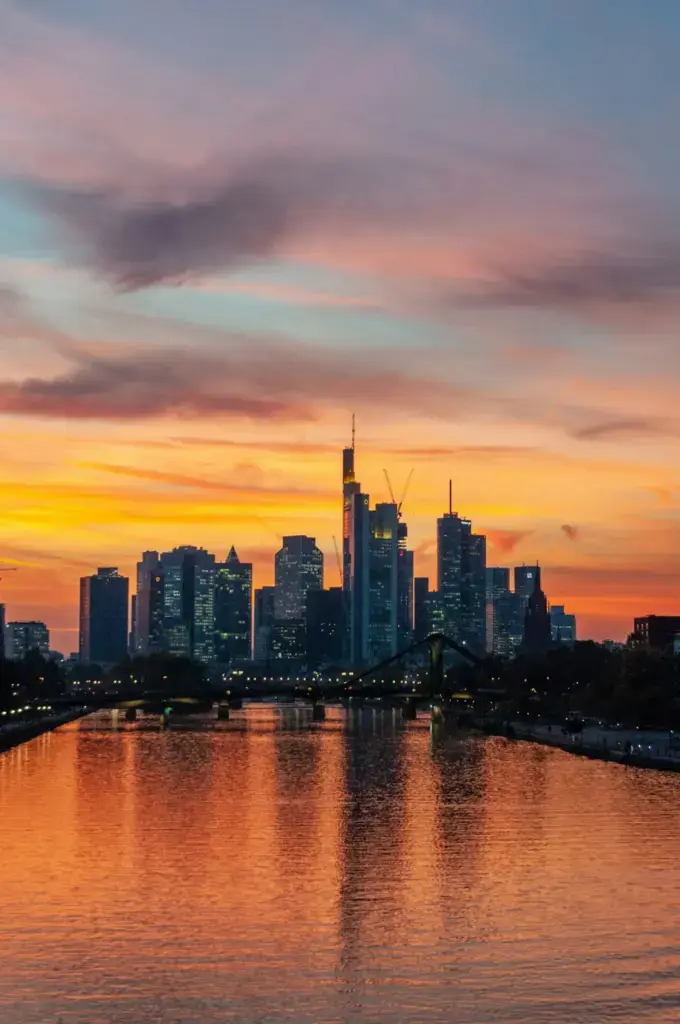
The Main Tower viewing deck, the Römer, the reconstructed old town, the museum embankment and Sachsenhausen's cider taverns. What to do with a day in Frankfurt.
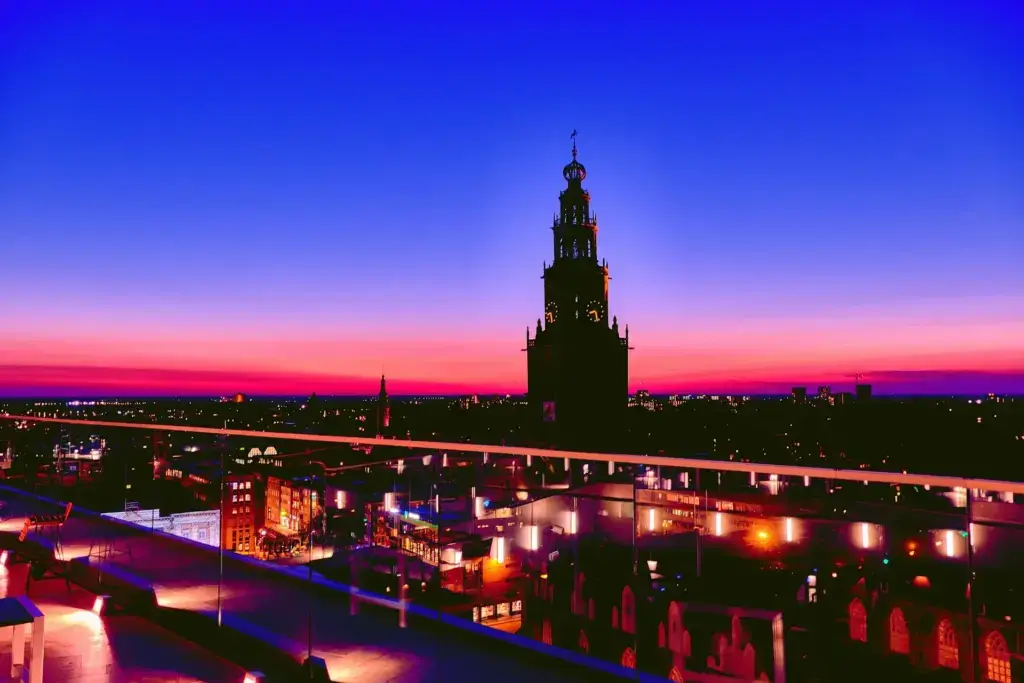
What to do in Groningen: climb the Martinitoren, take in the Groninger Museum, use the Forum roof terrace, and see why the centre belongs to cyclists.
What to do in Harderwijk: the Vischpoort and its lighthouse, the old harbour, the university where Linnaeus took his degree, and the Veluwe woods behind town.
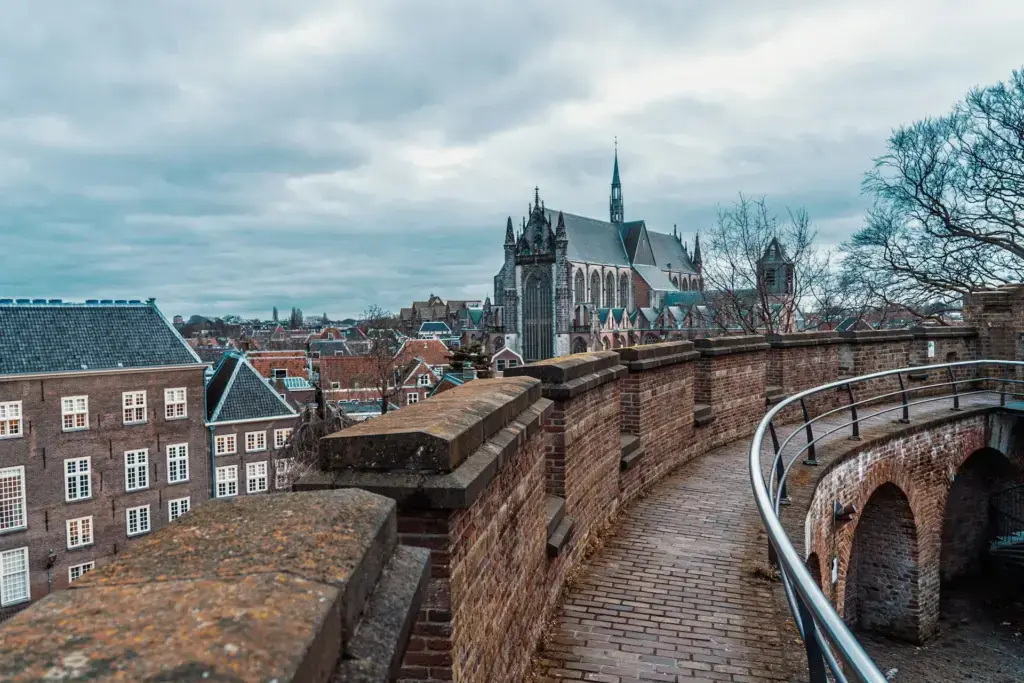
What to do in Leiden: the wall poems, the Burcht, the Hortus Botanicus, Rembrandt's birthplace, the antiquities museum and the siege the city still celebrates.
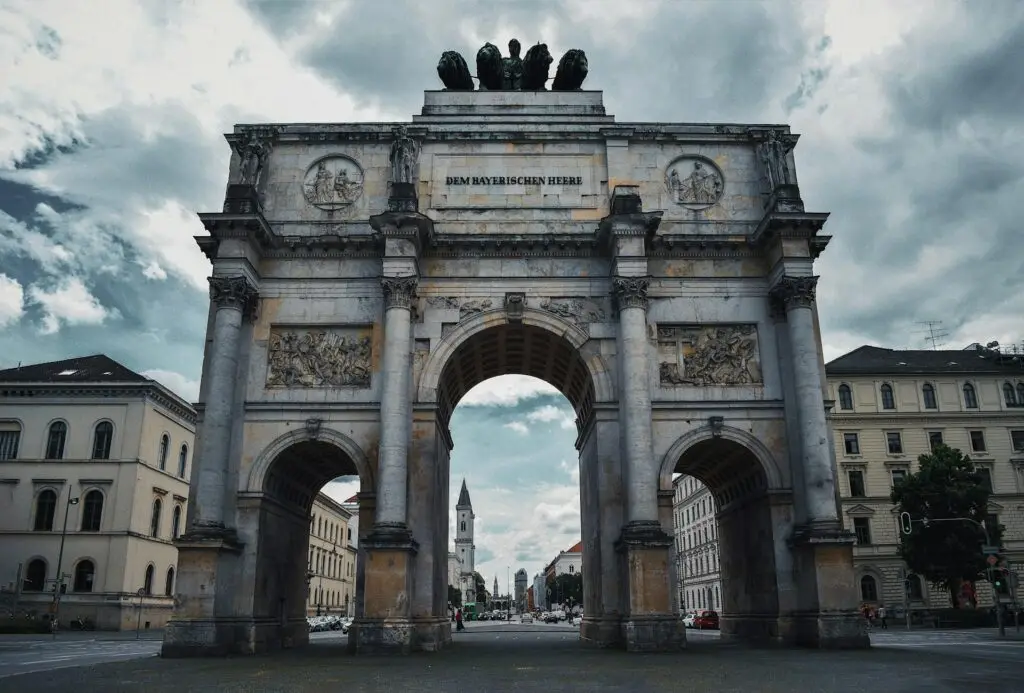
Marienplatz, the Englischer Garten surfers, the Pinakotheken, the BMW Museum and the Siegestor. A practical guide to Munich, and the truth about Neuschwanstein.
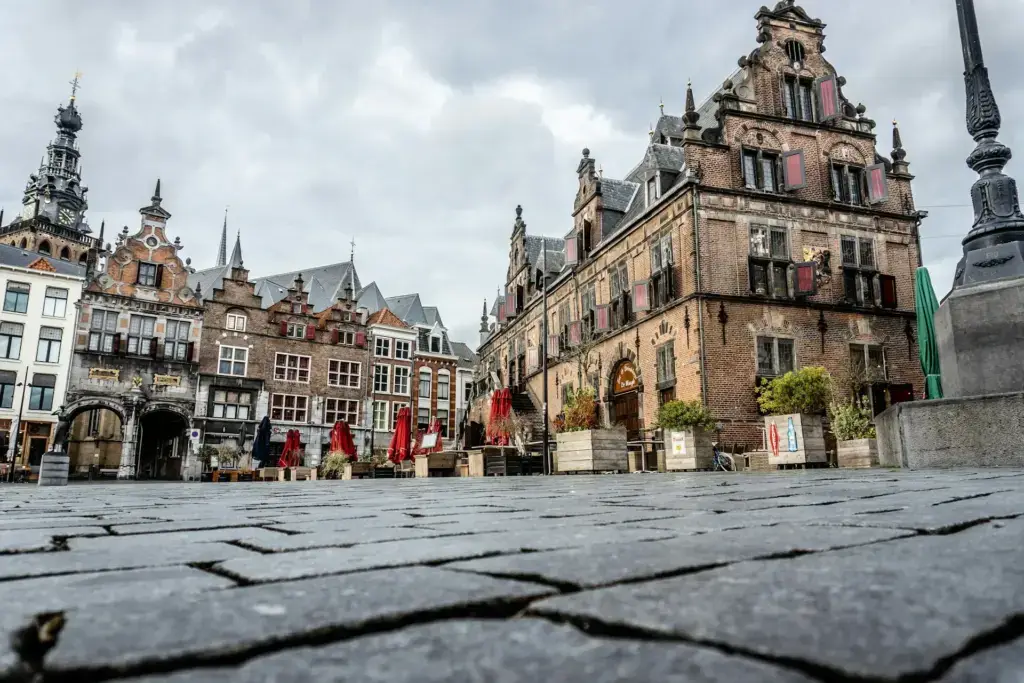
What to do in Nijmegen: the Valkhof and its Roman past, Museum Het Valkhof, the river island, the Vierdaagse walking event and a centre with actual hills.
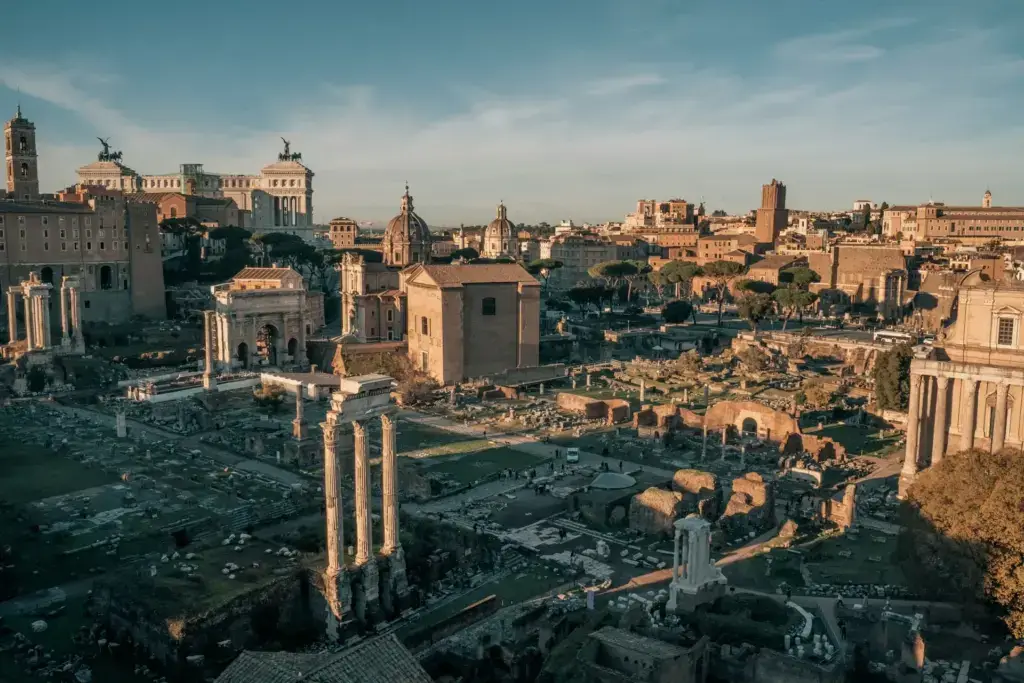
Rome rewards planning more than any other Italian city. What needs booking, what is free, where the rules changed, and how to eat well near the monuments.
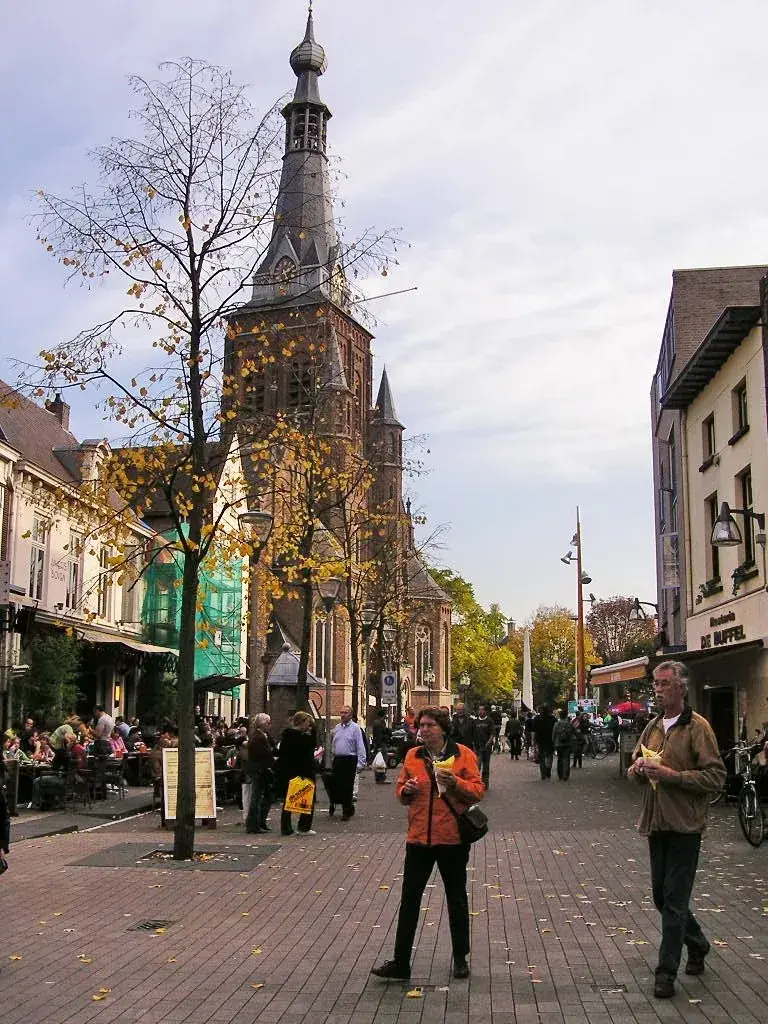
What to do in Tilburg: the TextielMuseum with its working looms, De Pont, the LocHal library in a locomotive shed, and the funfair that takes over in July.
What to do in Venlo: the Renaissance town hall, the Limburgs Museum, a city office wrapped in plants, the Maas riverside and the German border a few minutes away.
What to do in Zwolle: walk the star-shaped moat, see the Sassenpoort, visit a bookshop in a church and a museum with a giant ellipse on its roof.