Aalst Carnival Explained: Three Days, Onions and a Broom Dance
By Martijn · 26 October 2022

What Aalst Carnival actually is
Aalst sits on the Dender between Brussels and Ghent, and for three days before Ash Wednesday it turns into something that is not really a tourist event. It is a town party that outsiders are welcome to join, built on satire, cross-dressing, drink and mockery of anyone in authority, including the town's own councillors. Locals prepare their float and their costume for months.
Because carnival follows Easter, the dates move every year: it always falls on the Sunday, Monday and Tuesday before Ash Wednesday, so check the calendar for the year you are planning.
One thing to know before you come: the carnival was on UNESCO's intangible heritage list, but after a float in the 2019 parade drew widespread condemnation for antisemitic caricature, Aalst withdrew and UNESCO removed it that same year. The tradition of satire here goes back centuries and locals defend it fiercely, but it is worth arriving knowing that.
Sunday: the parade and the onion throwing
Sunday is the big parade. Dozens of groups pull huge, elaborate floats through the centre, almost all of them commenting on the past year in politics, local scandals and national news. Understanding the jokes takes local knowledge and often local dialect, but the craft is obvious even without a word of Dutch.
Before or around it comes the ajuinworp, the onion throwing. From the balcony of the belfry, the prince and his entourage throw onions to the crowd below. Aalst people are nicknamed ajuinen, onions, so this is the town throwing its own name at itself. Somewhere among them is a golden onion, and catching it is a genuine piece of local status.
Monday: the Voil Jeanetten
Monday belongs to the Voil Jeanetten, the "dirty Jeannettes". Men dress as women in deliberately shabby fur coats, with a pram, a lampshade for a hat and a broken umbrella, and parade through the town. It is not a fashion parade and it is not meant to be flattering; the whole point is that it is scruffy, loud and improvised.
Late that night comes the broom dance on the Grote Markt. People dance holding brooms, sweeping the year away, and it is one of the moments where you can feel the tradition underneath the drinking.
Tuesday: the second parade and the burning
Tuesday brings another parade, generally looser than Sunday's, and then the closing act: the carnival effigy is burned on the square. That marks the end. Ash Wednesday arrives, Lent starts, and the town quietly goes back to work.
Winterfoor and the practical side
Around carnival the Winterfoor, the winter funfair, fills part of the centre with rides and stalls, which is where families with young children tend to end up.
Practically: come by train, because parking near the centre is impossible and the station is a short walk from everything. Dress warmly, since February in Flanders is cold and you will be standing still. Costumes are welcome and normal; ordinary clothes make you visibly a spectator. And expect the centre to be very busy and very drunk by evening, which is fine if you know it in advance.
Aalst outside carnival
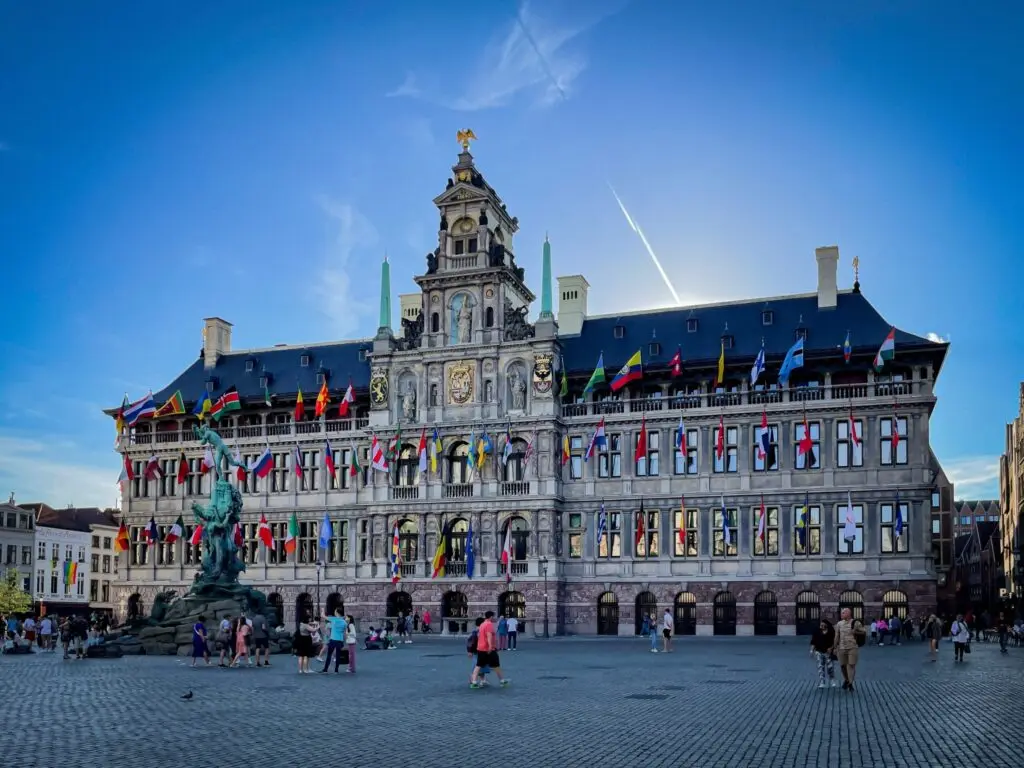
If you visit at any other time, the Grote Markt still has the aldermen's house with its belfry, one of the oldest such civic buildings in the Low Countries and part of the UNESCO belfries listing. There is a statue of Dirk Martens, who set up the first printing press in the Low Countries here. Add the riverside and a good beer café and you have an easy half day.
Seeing Aalst by playing it
Outside the carnival weekend the town is quiet, which is when a route works best. A city game takes you round the market square, the belfry and the streets in between while you solve clues, so you actually read the place instead of crossing it. It is a good option for a family afternoon, a group of friends or a team outing.
Frequently asked questions
When is Aalst Carnival?
The Sunday, Monday and Tuesday before Ash Wednesday, so the dates shift each year with Easter.
Do I need tickets?
No. The parades and street events are free and open. Some indoor parties and grandstand seats are ticketed.
Is it suitable for children?
The Sunday parade and the funfair are, especially during the day. Evenings get crowded and heavily alcoholic and are better without small children.
Do I need to dress up?
Not required, but most people do and you will blend in far better if you make some effort.
How do I get to Aalst?
By train from Brussels or Ghent in well under half an hour. Do not drive in during carnival.
Come and play in Aalst
If you want to know the town rather than just its wildest weekend, walk it with a playing route. Here is how it works, and for team days and larger groups we have formats on this page. Questions about dates, group sizes or routes? Get in touch. Nearby and worth a day of its own: Brussels.